Compare Chameleon’s complete systems—BV, PRV, NVIS, TDL, Tactical Dipole 2.0, MPAS 2.0, and MPAS Lite—so you can choose the right kit for portable HF, NVIS, stealth loops, classic dipoles, or modular all-band setups at QRP or 100–500 W.
Overview of Chameleon Complete Systems
Chameleon’s complete systems package matching units, radiators/wires, mounts, and essentials so you can deploy quickly in the field or at home. Covered here:
- BV – Resonant Vertical Antenna
- PRV – Portable Resonant Vertical
- NVIS Antenna – Near Vertical Incidence Skywave focused
- TDL – Tactical Delta Loop
- Tactical Dipole 2.0
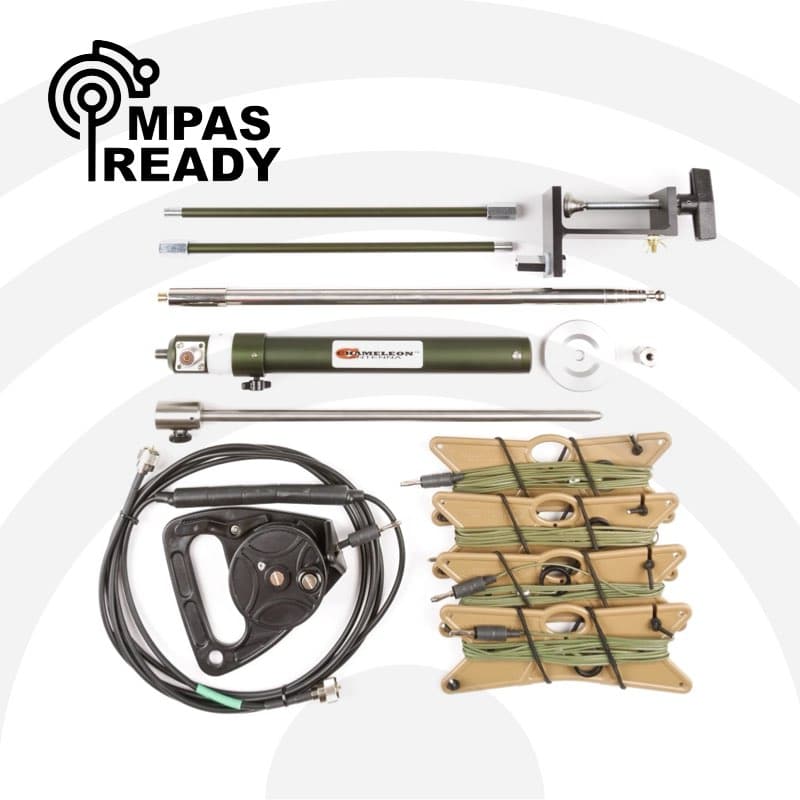
- MPAS 2.0 – Modular Portable Antenna System
- MPAS Lite – Lightweight modular kit
Exact component lists, power ratings, and band coverage vary by configuration. Always verify kit contents and ratings before purchase.
At-a-Glance Comparison Table
| System | Design Focus | Band Strategy | Deployment Flexibility | Portability | Best For |
|---|---|---|---|---|---|
| BV | Resonant vertical | Resonant on target HF bands | Vertical with counterpoise/ground | High | Fixed/portable ops prioritizing efficiency on a few bands |
| PRV | Portable resonant vertical | Resonant with optional extensions | Quick field setup | High | POTA/SOTA, travel where fast deployment matters |
| NVIS Antenna | High take-off angle | Optimized for regional coverage | Low elevated wire layouts | Moderate | EmComm, regional nets, field operations |
| TDL | Delta loop | Multi-band with tuner | Compact loop footprint | High | Stealthy ops, potential noise reduction |
| Tactical Dipole 2.0 | Portable dipole | Broad HF coverage (with tuner as needed) | Inverted-V / flat-top options | Moderate | When you have supports and want classic dipole behavior |
| MPAS 2.0 Most Versatile | Modular, many configs | Wide HF coverage with tuner | Vertical, wire, sloper, NVIS, more | High | “Do-it-all” operators across varied sites |
| MPAS Lite | Lightweight modular | Wide coverage (fewer components) | Vertical & simple wires | Very High | Ultralight portable with multi-band needs |
Detailed System Summaries
BV — Resonant Vertical Antenna
Pros
- Resonant operation = lower matching loss
- Simple tuning on designed bands
- Good efficiency for targeted HF work
Considerations
- Narrower sweet spot vs broadband kits
- Lacks low band coverage
PRV — Portable Resonant Vertical
Pros
- Compact, travel-friendly, quick setup
- Resonant efficiency in core bands
- Field-ready vertical performance
- Easy tuning in the field using the adjustable coil
Considerations
- Narrower sweet spot vs broadband kits
- Lacks low band coverage
NVIS Antenna — Near Vertical Incidence Skywave
Pros
- Optimized for regional coverage (50–300 km)
- Excellent for EmComm, nets, and field work
- Low mounting height options, needs high support
Considerations
- Not aimed at long-haul DX
- Best when NVIS conditions are favorable
- Portability vs wires and center support
TDL — Tactical Delta Loop
Pros
- Loop advantages (potential noise reduction)
- Compact footprint; stealth-friendly
- Multi-band with tuner
Considerations
- Performance depends on height/shape
- Broadband, may trade absolute gain for convenience
Tactical Dipole 2.0
Pros
- Predictable, classic dipole behavior
- Configurable (flat-top, inverted-V)
- Good when supports are available
Considerations
- Needs space/anchors for the span
- Portability vs wires and center support,
- Low mounting height options, needs high support
MPAS 2.0 — Modular Portable Antenna System
Pros
- Most flexible: vertical, wire, sloper, inverted-L/V, NVIS, more
- Adapts to constraints and goals
- Quality components; field-proven
Considerations
- More pieces = more decisions and setup
- Broad coverage relies on transceivers internal tuner
MPAS Lite — Lightweight Modular Kit
Pros
- Lighter pack weight, faster to deploy
- Wide effective coverage for portable ops
- Simplified component set
Considerations
- Fewer configurations than MPAS 2.0
- Some bands may need transceivers internal tuner
Recommendations by Use Case
- Maximum flexibility & all-in-one capability: MPAS 2.0
- Light portable / quick setup: MPAS Lite or PRV
- Resonant efficiency on a few bands: BV or PRV
- Regional/EmComm with NVIS focus: NVIS Antenna or MPAS 2.0 configured for NVIS
- DX and potential noise reduction: TDL (Delta Loop)
- Classic dipole behavior & symmetry: Tactical Dipole 2.0
Final Thoughts & What to Watch Out For
- Your intended usage is critical. If most of your activity is in a narrow band range, a resonant system may give better performance. If you need to cover many bands or change modes, a modular system likely pays off.
- Power levels matter. Some systems are designed primarily for QRP or moderate power levels. Others can comfortably handle 100–500 W, but not all components (especially lightweight matching units or whips) are built for sustained high-duty-cycle digital modes. Always match the antenna system’s rating to your actual operating power to avoid damage or performance degradation.
- Real-world setup constraints (trees, available supports, ground conditions, noise environment) will influence which configuration yields the best results. Modular systems grant more flexibility to adapt to those constraints.
- Matching losses and tuner efficiency are nontrivial. Even the best matching network introduces losses; a resonant design often outperforms a broadband “any-band” system on its native bands.
- Durability & materials. For field use, look for robust hardware, weather resistance, and solid terminations—especially on telescopic whips and wire ends.
- Cost vs value. Premium modular kits command higher prices. If you won’t use the flexibility often, a simpler resonant or lightweight system could be the smarter buy.
Next steps
Ready to choose? Shortlist two systems that fit your operating style (e.g., MPAS 2.0 for flexibility vs PRV for resonant portability), then match them to your typical bands and power (QRP or 100–500 W).
Explore these options at PileupDX.com:
-
 Adventure Products
Chameleon Antenna BV – Resonant Vertical Antenna
$ 620.87 Select options This product has multiple variants. The options may be chosen on the product page -
 Adventure Products
Chameleon MPAS 2.0 Antenna System
Price range: $ 802.99 through $ 826.64 Select options This product has multiple variants. The options may be chosen on the product page -
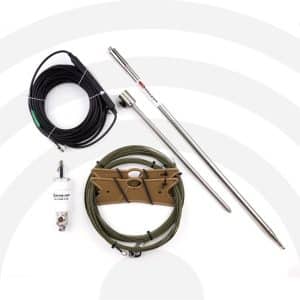 Adventure Products
Chameleon MPAS LITE
Price range: $ 490.78 through $ 525.07 Select options This product has multiple variants. The options may be chosen on the product page -
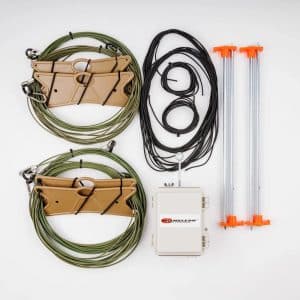 Adventure Products
Chameleon NVIS Antenna
$ 448.21 Add to cart -
Sale!
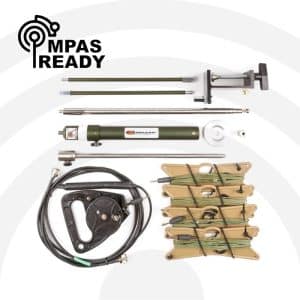 Adventure Products
Chameleon PRV, Portable Resonant Vertical
Price range: $ 649.25 through $ 767.51 Select options This product has multiple variants. The options may be chosen on the product page -
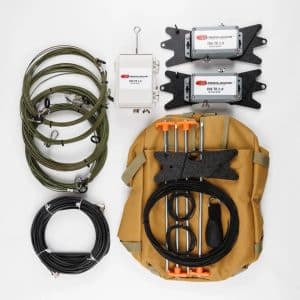 Adventure Products
Chameleon Tactical Dipole 2.0
$ 609.04 Add to cart -
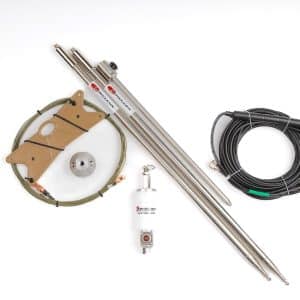 Adventure Products
Chameleon TDL – Tactical Delta Loop
Price range: $ 577.11 through $ 613.77 Select options This product has multiple variants. The options may be chosen on the product page
Pro Tip: Log your field deployments and keep a simple setup checklist. Consistent deployment height, counterpoise management, and feedline choking often matter more than small hardware differences.
FAQ
Which Chameleon system should I start with?
If you’re new to portable HF and want maximum adaptability, MPAS 2.0 is a safe bet. If pack weight is the priority, consider MPAS Lite or BV for a lighter load.
Will I need a tuner?
Resonant systems (BV, PRV) minimize or eliminate tuner use on their target bands. Modular/broadband systems benefit from an ATU for best coverage and SWR management.
What about digital modes?
Verify power handling for your exact kit. High-duty digital modes place more continuous stress than SSB. QRP-rated components may not suit long digital sessions.